
How to Choose the Right Crockery for Your Venue
Choosing the right crockery isn’t just about aesthetics. It directly impacts efficiency, costs, sustainability, and guest perception. The UK ceramic tableware market, valued at USD 426 million in 2023, is forecast to hit USD 670 million by 2033, growing steadily at 4.6%. This growth highlights the importance of smart purchasing decisions.
So, how can restaurants, cafes, hotels, and pubs choose crockery that works both front- and back-of-house? Let’s break it down.

1. Match Crockery to Your Venue’s Concept
Every venue tells a story, and crockery plays a supporting role in that narrative. The wrong plate can jar with your brand; the right one enhances it.
- Fine dining venues should lean towards porcelain or bone china. These add refinement and elevate the dining experience. A fillet steak or Michelin-style tasting menu deserves a stage as elegant as the dish itself.
- Casual pubs and cafes benefit from stoneware or vitrified. It’s durable, robust, and still stylish, perfect for high turnover.
- Rustic or artisan venues shine with earthenware, textured, or hand-glazed bowls. They add authenticity and warmth, ideal for farm-to-table dining.
- Banqueting and high-volume venues should prioritise stackable, chip-resistant, lightweight crockery. It keeps service flowing smoothly while reducing breakages.
2. Choose Crockery that Suits Your Menu
Your menu should guide your decisions. Think about portion sizes, presentation, and practicalities.
- Starters and tapas – small coupe plates or shallow bowls for neat portions.
- Pasta, noodles, or curries – deep bowls that contain sauces.
- Steaks, grills, or mains – wide, flat plates to showcase plating artistry.
- Desserts – ramekins, mini bowls, or coupe plates for refined finishes.
- Sharing boards – platters and serving bowls for group dining.


3. Prioritise Durability & Practicality
Hospitality crockery faces relentless use. Investing in durable, commercial-grade items pays off long term.
- Vitrified porcelain resists chipping and thermal shock, ideal for cafes and pubs.
- Bone china is lightweight yet fragile – better suited to fine dining.
- Stoneware offers rustic looks but is heavier, so consider ergonomics.
- Melamine or polycarbonate is shatterproof and suited for outdoor dining or poolside areas.
Durability is vital, especially as UK operators battle overheads. Replacing crockery frequently eats into margins, so think lifecycle costs, not just purchase price.
4. Think About Storage & Handling
Behind the pass, practicality is key:
- Stackable designs maximise storage in small kitchens.
- Lightweight plates reduce server fatigue.
- Ergonomic shapes help staff carry multiple plates confidently.
During busy Saturday nights, small design choices, like stackable bowls, make a big difference to speed and service.

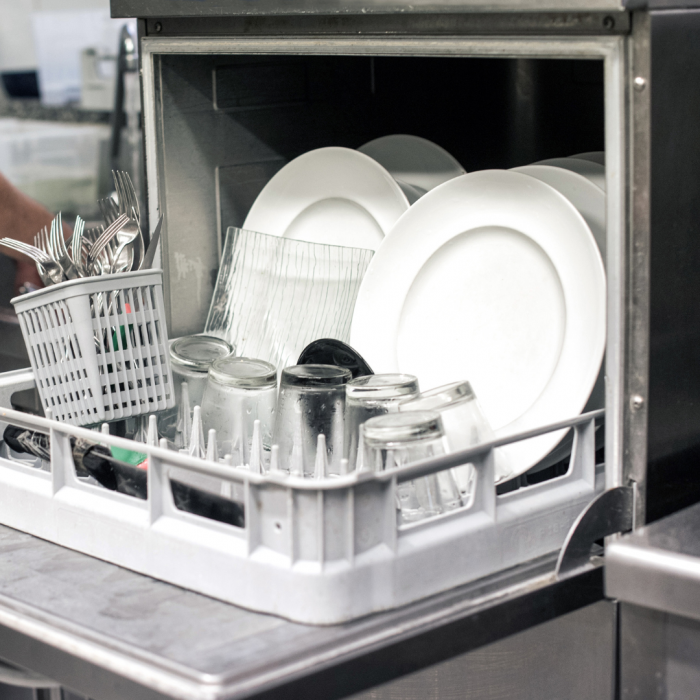
5. Cleaning, Hygiene & Maintenance
Washing is constant in hospitality, so crockery must hold up.
- Dishwasher-safe crockery saves labour.
- Glazed finishes resist staining and are easier to clean.
- White plates highlight food beautifully but may stain; patterns or speckles can hide wear.
Choosing crockery that cleans easily ensures quicker turnaround and better hygiene.
6. Specific Recommendations
Here are some great product examples to complement your venue:
- Everyday Use: Vitrified porcelain plates. Durable, dishwasher-safe, ideal for high-volume pubs and casual restaurants.
- Rustic Charm: Stoneware bowls and plates. Perfect for artisan cafes and bistros, adding texture and warmth.
- Fine Dining: Bone china dinner plates. Lightweight, refined, and ideal for elevated menus.
- Serveware Essentials: Platters and deep dishes. Great for tapas, mezze, or sharing boards. Functional yet stylish.
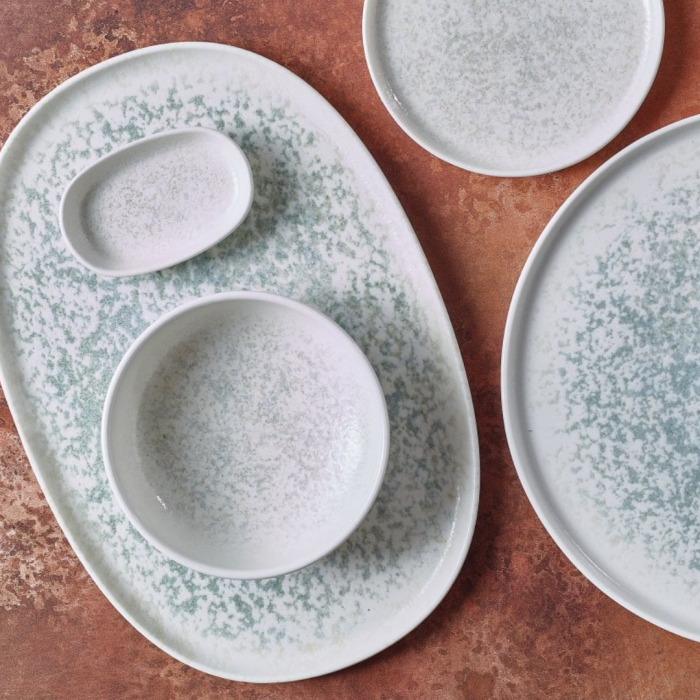
Explore our crockery range for styles to suit every venue type.
Comments are closed here.